
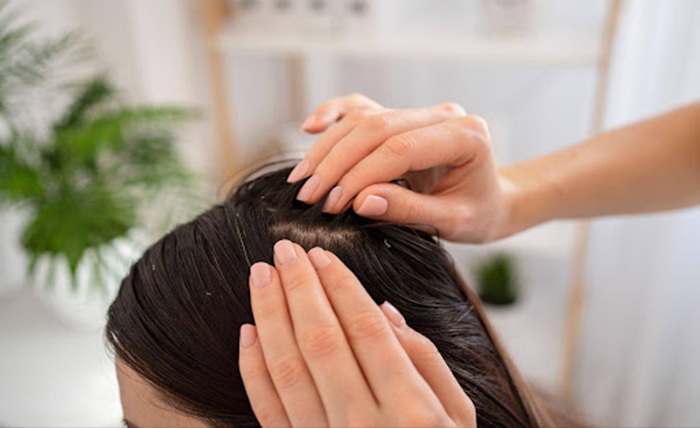
Most people who struggle with hair fall spend a lot of time thinking about their hair. The strand, the texture, the breakage. But the real story usually begins somewhere they can’t see — underneath, at the scalp. If the foundation isn’t healthy, what grows from it won’t be either. That’s not a metaphor. It’s biology.
The Scalp Is Living Skin, Not Just a Base
Your scalp is one of the most active areas of skin on your body. It has a high density of hair follicles, sebaceous glands, and blood vessels all working together. Each follicle sits inside a small pocket of tissue that needs oxygen, nutrients, and a balanced environment to produce strong hair.
When people think about skin health, they rarely extend that thinking to the scalp. But the same things that disrupt skin elsewhere — dryness, inflammation, excess oil, fungal overgrowth — happen here too, and the consequences show up directly in your hair quality.
What Disrupts Scalp Health in the First Place
The scalp can fall out of balance for several reasons, and often more than one factor is at play at the same time.
- Excess sebum production clogs follicles and creates an environment where yeast and bacteria thrive
- Chronic dryness strips the natural barrier, leaving the scalp prone to irritation and flaking
- Product buildup from dry shampoos, heavy oils, or styling products sits on the scalp and blocks follicle openings
- Stress raises cortisol levels, which directly affects the oil glands and inflammatory response in skin
- Poor diet, especially low protein or iron intake, reduces the nutrients that reach follicle cells
None of these causes operate in isolation. A person under chronic stress who also has a high-sugar diet might experience scalp inflammation that they mistake for simple dryness.
The Follicle Connection: How Scalp Conditions Translate to Hair Loss
Hair follicles go through cycles — growth, transition, and rest. When the scalp environment is disrupted, it pushes more follicles into the resting phase earlier than normal. This is what leads to increased shedding. It’s not that the hair is weak. It’s that the follicle isn’t being given the right conditions to sustain the growth phase.
Inflammation is one of the biggest culprits here. Scalp inflammation — whether from a fungal issue, contact dermatitis, or even tight hairstyles — creates a low-grade hostile environment around the follicle. Over time, if left unaddressed, this can progress from temporary shedding to more lasting follicle damage.
Dandruff Is Often Misunderstood
Dandruff is one of the most common scalp conditions, and it’s widely misunderstood. Most people treat it as a hygiene problem. In reality, it’s usually a sign of an imbalanced scalp microbiome — an overgrowth of a naturally occurring yeast called Malassezia. This yeast feeds on scalp oils and produces byproducts that irritate the skin, causing the rapid turnover of skin cells that shows up as flaking.
When dandruff goes untreated for months, the chronic low-level inflammation it creates around the follicles starts to affect hair density. People notice thinning but never connect it back to the scalp condition they’ve been ignoring or managing superficially.
What Scalp Care Actually Looks Like
Caring for the scalp is more methodical than caring for hair. A few principles that make a consistent difference:
- Cleanse regularly enough to prevent buildup, but not so frequently that you strip natural oils — this frequency varies by person and scalp type
- Choose a scalp-appropriate shampoo based on whether your issue is dryness, excess oil, or fungal activity
- Avoid heavy oils applied directly to the scalp if you’re already prone to clogged follicles
- Scalp massages improve microcirculation, which helps nutrient delivery to follicle cells
- Address internal factors — gut health, stress, and nutritional gaps all affect scalp condition from the inside
Final Thoughts
Strong hair is largely a result of what’s happening at the root level — literally. The scalp sets the conditions, and the hair reflects them. Most hair concerns that seem cosmetic have a physiological explanation, and most of those explanations start with the scalp.
Brands like Traya have built their approach specifically around this idea — that treating hair loss without addressing scalp health and internal root causes tends to produce short-lived results. Whether you explore that route or another, the principle holds: look at the foundation before focusing on the strands.