
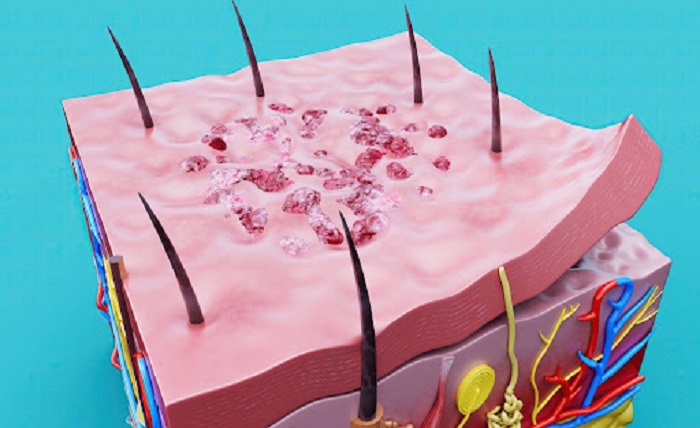
Most people notice hair fall in the shower drain or on their pillow and immediately start blaming stress, diet, or their shampoo. But the truth is, hair fall is often just one visible sign of something happening much deeper — inside the hair follicle itself, in a cycle that’s been running continuously since before you were born.
Understanding how this cycle works doesn’t just satisfy curiosity. It actually changes the way you think about hair loss and what to do about it.
What the Hair Growth Cycle Actually Is
Every single strand of hair on your head is independently going through its own growth cycle. These cycles don’t all happen at the same time, which is why you don’t go bald all at once and why normal shedding looks manageable on most days.
The Hair Growth Cycle has four distinct phases:
- Anagen — the active growth phase, lasting 2 to 7 years depending on genetics
- Catagen — a short transitional phase of about 2 to 3 weeks where growth stops
- Telogen — a resting phase lasting around 3 months, where the old hair sits while a new one prepares below
- Exogen — the shedding phase, where the old hair falls out and the cycle resets
At any given time, roughly 85 to 90 percent of your hair is in the anagen phase. The remaining 10 to 15 percent is resting or shedding. Losing 50 to 100 hairs a day is completely normal — that’s just the exogen phase doing its job.
Where Things Go Wrong
Hair fall becomes a real problem when the anagen phase shortens or when too many follicles shift into telogen at the same time. Both situations mean more hair shedding and less new growth replacing it.
This is why hair loss rarely happens overnight, even if it feels that way. The disruption starts months before you actually notice it. Telogen effluvium, for instance, is a condition where a significant shock to the body — illness, surgery, severe nutritional deficiency, or prolonged stress — pushes a large portion of hair follicles into the resting phase simultaneously. The actual shedding then happens two to three months later, which makes it really hard to trace back to the original cause.
Why Hormones Play Such a Central Role
Hormones are among the most powerful regulators of the hair growth cycle. Androgens, particularly dihydrotestosterone (DHT), can shrink hair follicles over time in people who are genetically sensitive to it. With each passing cycle, the anagen phase gets shorter, the hair produced gets finer, and eventually the follicle may stop producing visible hair entirely. This is the underlying mechanism behind androgenetic alopecia, or pattern hair loss, which affects both men and women.
Thyroid hormones also directly influence follicle activity. An underactive or overactive thyroid can throw the entire cycle out of rhythm, often causing diffuse shedding across the scalp.
Nutrition, Scalp Health, and the Follicle Environment
A hair follicle is a metabolically active structure. It needs iron, zinc, biotin, protein, and vitamins like D and B12 to sustain the anagen phase properly. When the body is nutritionally depleted — which can happen even without obvious symptoms — the follicle is one of the first places the body cuts resources.
Scalp health matters too. Chronic inflammation, fungal buildup, or poor circulation around the follicle can interfere with the cycle and weaken the quality of new growth. This is why treating only the hair and not the scalp environment is an incomplete approach.
How Traya Thinks About This
Rather than treating hair fall as a single problem with a single fix, Traya looks at the root causes disrupting the cycle — whether hormonal, nutritional, or scalp-related. If you’re unsure where your hair loss is coming from, taking a Traya free hair test can help map out what’s actually happening before you try any treatment.
Final Thoughts
Hair fall is rarely random. It’s almost always the result of the growth cycle being disrupted at one stage or another, and understanding which stage and why makes a significant difference in how you address it. Before reaching for a shampoo or supplement, it’s worth asking what’s actually changing inside the follicle — because that’s where lasting solutions begin.